
Cannibalism occurs in a wide range of species across the natural world, and early humans and Neanderthals were no exception. Several ancient cultures across the globe also practiced it. Long considered one of humanity’s ultimate taboos, it has nonetheless persisted into the modern era, perhaps most notably as “survival cannibalism,” when individuals, faced with starvation, consume human flesh to stay alive.
Maritime history is filled with tales of shipwrecked sailors driven to cannibalism while awaiting rescue. The story of Captain’s Dinner recounts one of the most infamous of these: the wreck of the yacht Mignonette and the crew’s decision to kill and eat a shipmate. What makes this case especially shocking is that it occurred in 1884, at the height of the Victorian era.
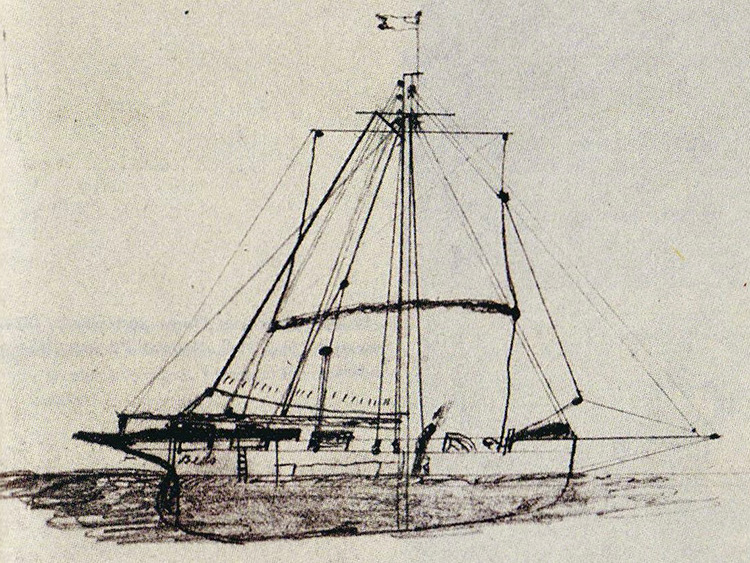
In Captain’s Dinner, legal historian Adam Cohen guides readers through the Mignonette crew’s harrowing ordeal at sea and the gripping trial that followed. Victorian reformers would ultimately use the case, Regina v Dudley and Stephens, to redefine British legal history.
Per the book’s description:
Perfect for readers of David Grann’s The Wager and Nathaniel Philbrick’s In the Heart of the Sea, this haunting true story has become the classic real-life illustration of one of philosophy’s greatest moral dilemmas, captivating audiences from ethics classrooms to Hollywood and inspiring countless explorations in film, television, and popular culture of humanity’s most challenging question: When does survival justify murder?
Many thanks to NetGalley and Authors Equity for providing an advance copy of this book for review.
Book Summary
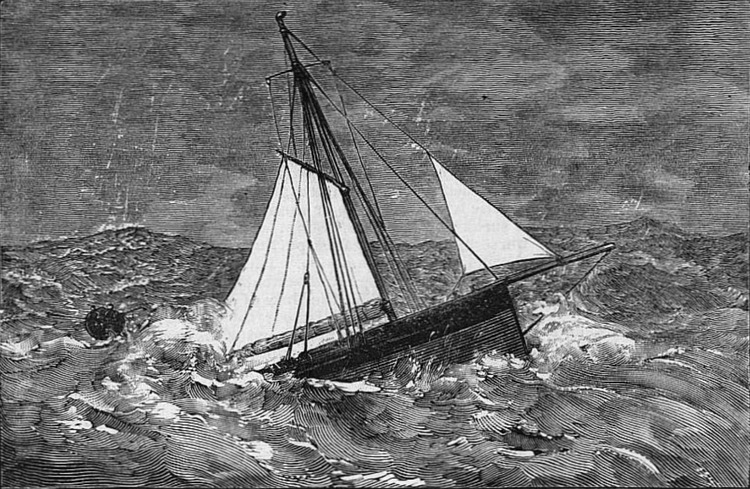
On May 19, 1884, the yacht Mignonette set sail from Southampton, England, bound for Sydney, Australia. Despite ominous warnings, the voyage began smoothly enough. However, disaster struck on July 5 when a mighty wave struck and sank the ship. It happened so suddenly that the four-man crew barely had time to escape with their lives—Mignonette sank in just five minutes.
Adrift in the South Atlantic in a tiny lifeboat with no fresh water and only two tins of turnips for food, Captain Thomas Dudley and his crew were at the mercy of the elements. Days turned into weeks, and the crew’s suffering was immense. A captured sea turtle, occasional rainwater, and drinking their own urine were all that kept the men alive.
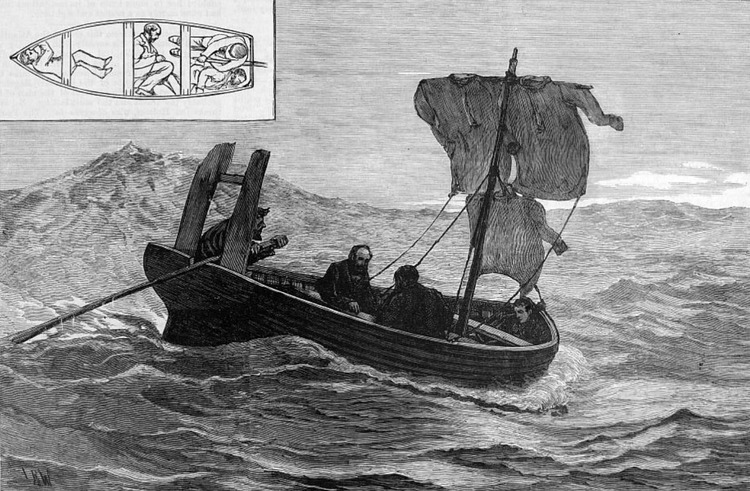
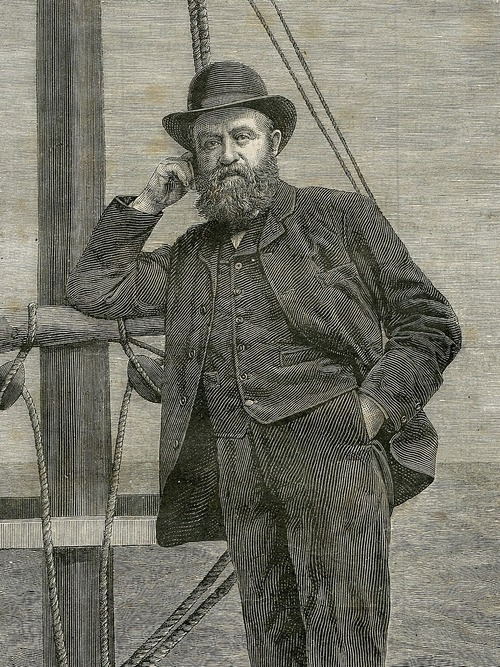
On July 24, Captain Dudley and Edwin Stephens made the decision to kill the youngest member of their crew, 17-year-old cabin boy Richard Parker. They carried out their plan the next day. “What, me, Sir?” Parker murmured before the captain slit his throat with a pen knife. The last crewman, Edmund Brooks, hadn’t been in on the plan. Despite this, he eagerly partook of the grisly feast with his shipmates.
Four days later, the German barque Moctezuma spotted the Mignonette’s survivors and rescued them. When they returned to Great Britain a month later, they were upfront about what had happened. As a result, they were thrust into a landmark murder trial that challenged society’s perspective on ethics and survival. For the first time, an English court put cannibals on trial, breaking with centuries of tradition at sea. It would pit humanity’s most basic instincts against its deepest moral convictions.
My Thoughts
Captain’s Dinner is exceptionally well written and thoroughly researched, offering an extensive examination of survival cannibalism at sea. At the center, of course, are the tragic circumstances surrounding the Mignonette and her wretched crew. Adam Cohen draws on survivor testimonies, court records, newspaper accounts, and other primary documents to craft a fascinating, compelling, and ultimately tragic narrative. I found myself engaged from start to finish.
The tragic and grisly details surrounding Richard Parker’s killing and butchering, along with the chapter on the broader history of cannibalism, are graphic and gripping—true crime enthusiasts will likely find this material especially engaging. There are enough gory details in Captain’s Dinner that I really considered waiting to post this review until closer to Halloween.
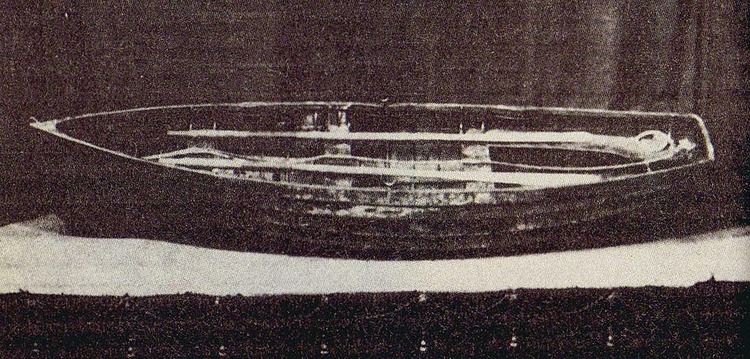
At the heart of Captain’s Dinner lies a profound moral question—is it ever justifiable to take one life to save another? Cohen revisits this dilemma repeatedly throughout the book. While the emphasis can feel repetitive at times, it reflects the complexity and gravity of the issue. The court case was, after all, an attempt by British elites to put an end to the longstanding “custom of the sea”—and the practice of targeting the most vulnerable among a shipwrecked crew.
As befitting a work of legal history, the book includes a fair amount of legal terminology and procedural detail. However, most readers should still find it accessible. I personally found it fascinating to learn how the British judicial system operated in the Victorian era, especially as an American whose only frame of reference has been British murder mysteries on Mystery! or reading Agatha Christie novels.
Conclusion
Overall, I thoroughly enjoyed Captain’s Dinner and would recommend it. It’s engaging, compelling, gory, and impressively comprehensive. As I mentioned earlier, true crime fans will likely find it fascinating, but it should also appeal to legal historians, maritime enthusiasts, and philosophers. There’s something here for each of these communities—or for someone (like me) with an eclectic range of interests.
Captain’s Dinner is a book that stays with you. The moral questions it raises, the harrowing choices faced by desperate people, and the way society chooses to judge those actions linger in your mind long after the final page. It doesn’t just recount the story of a shipwreck; it forces readers to confront uncomfortable truths about human nature, survival, and the thin line between civilization and instinct.

Leave a Reply