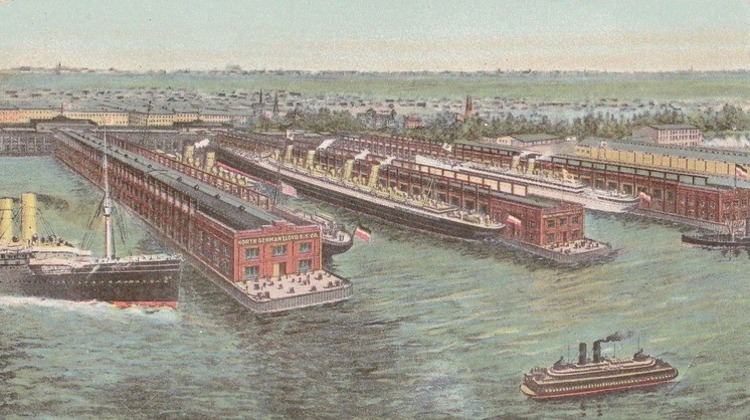
Out of the hundreds of ocean liners that once crossed the world’s oceans, only a handful survive today.
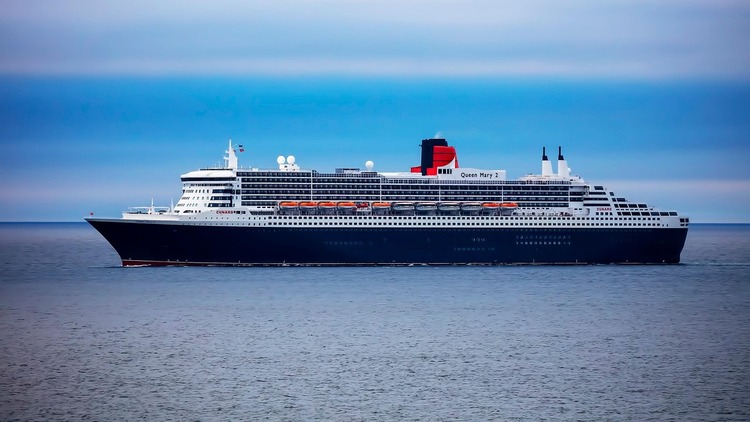
Some of these survivors are famous, such as RMS Queen Mary and RMS Queen Elizabeth 2. Others, like SS Keewatin and NYK Hikawa Maru, are lesser known. But each ship has a unique story to tell. They all offer a glimpse into a bygone era. And for one reason or another, they’ve managed to survive when so many of their contemporaries did not.
This year’s developments with the SS United States and the MV Astoria have got me thinking. So, I’m excited to launch a new blog series here called “Last of the Liners.” In it, I’ll explore the stories of the ocean liners still with us today—where they came from, what they did, and how they came to survive into the 21st century. I certainly hope you’ll enjoy it.
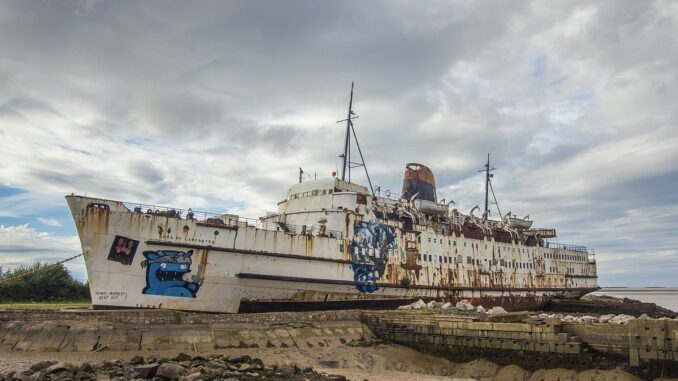
And yes—before anyone points it out—I know TSS Duke of Lancaster in the cover image is technically a ferry and cruise ship. But that photo was just too good not to use while introducing this series, so I hope you’ll forgive me.
The Ships
Here’s a look at the liners that’ll be featured in the series:
- SS Great Britain (1843)
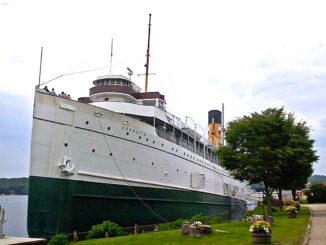
- SS Keewatin (1907)
- MV Doulos Phos (1914)
- NYK Hikawa Maru (1929)
- Le Lydia (1931)
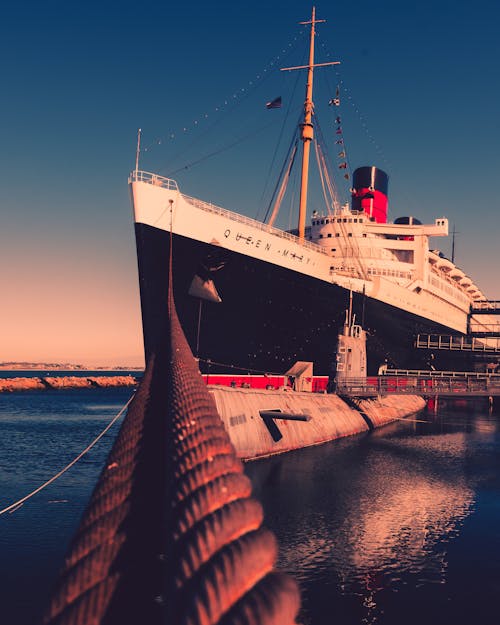
- RMS Queen Mary (1934)
- MV Astoria (1946)
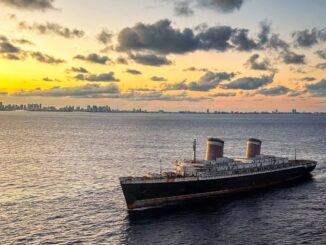
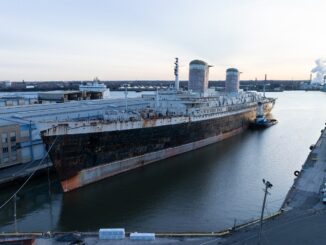
- SS United States (1951)
- MV Hai Shang Cheng Shi (1954)
- SS Rotterdam (1958)
- MV Funchal (1961)
- MV Minghua (1962)
- MV Orient Princess (1966)
- RMS Queen Elizabeth 2 (1967)
- RMS Queen Mary 2 (2003)
I realize some of these ships may not match what many people imagine when they think of an ocean liner. But remember that an ocean liner is a vessel that transports passengers and/or cargo on a fixed route between two points, often with stops along the way. They operate on a set schedule and serve primarily as a means of transportation. To me, all of these ships fit that definition.
Why Does It Matter?
These old ocean liners aren’t just relics of the past—they’re reminders of a time when crossing the ocean was an event, when shipbuilders pushed the limits of design and engineering, and when entire nations measured their prestige by the ships they sent to sea. Of the hundreds of ocean liners built, these few are all that remain.
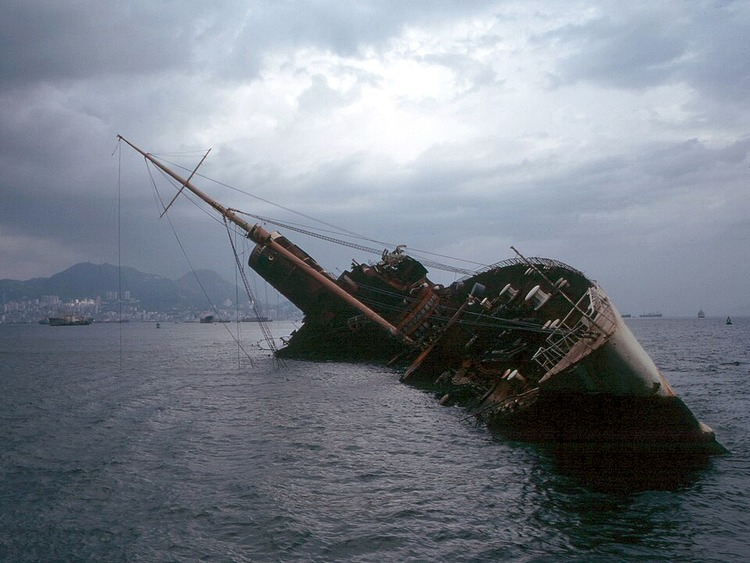
Saving old ships is never easy. Many have been lost over time despite efforts to save them—their fates sealed by neglect, economics, or just plain bad luck. Efforts to save RMS Queen Elizabeth, SS Princess Louise, La Jenelle, MV Aurora, and many more ultimately failed. Of this current list, the United States and Astoria—which is already undergoing scrapping in Belgium—aren’t long for this world, with who knows how many more in the coming years. Every time a historic ship sinks or goes to the scrapyard, we lose just a little bit more of our history.
I hope you’ll join me as we examine the stories of these survivors—ships that, against the odds, have outlasted their contemporaries. If you’ve visited any of these liners or have a personal favorite, I’d love to hear about it in the comments below.
Leave a Reply