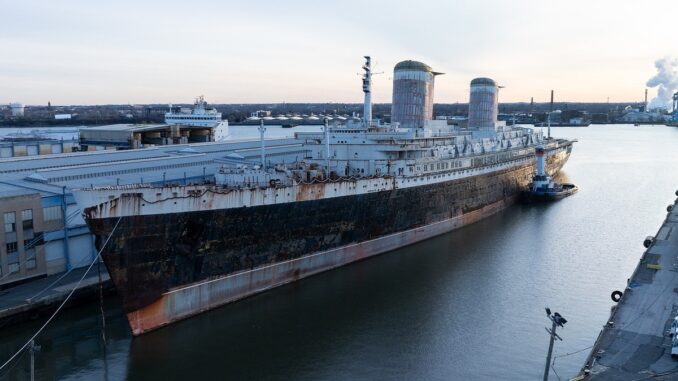
For this first entry in “The Last of the Liners” series, it feels fitting to start with a ship that’s been making headlines a lot recently. Ever since the ship was sold and her new owners announced plans to turn her into an artificial reef, the ocean liner community has been abuzz. Few want to see the ship sunk as an artificial reef, but most also oppose scrapping her too. This leaves the ship’s future trapped between two difficult choices.
Yes, I’m talking about the SS United States.
Some have accepted the SS United States’ fate, and that she’ll soon be the domain of divers and marine life. Others still hold out hope, with several preservation groups actively working to save her. I’ve covered this before and plan to post an update soon. But today’s post isn’t about the ship’s uncertain future or the ongoing fight to save her.
This is about her remarkable past: her record-breaking career, her historical significance, and her enduring legacy.
One Man’s Dream
The SS United States was the dream of marine architect William Francis Gibbs. Originally trained as an attorney, Gibbs taught himself naval architecture. Alongside his brother Frederic, founded the firm Gibbs Brothers, later renamed Gibbs & Cox.
Their big break came when the firm was tasked with overseeing the refit of Leviathan, the former German liner Vaterland. The major overhaul took 14 months in Newport News, Virginia, but there was an issue. The ship’s original builders, Blohm & Voss, demanded over $1 million for the vessel’s blueprints—a price the Americans refused to pay. Undeterred, Gibbs sent his draftsmen aboard to measure and document every inch of the ship. He then created a complete set of detailed plans from scratch. The work on Leviathan was a resounding success, establishing Gibbs as a talented naval architect.

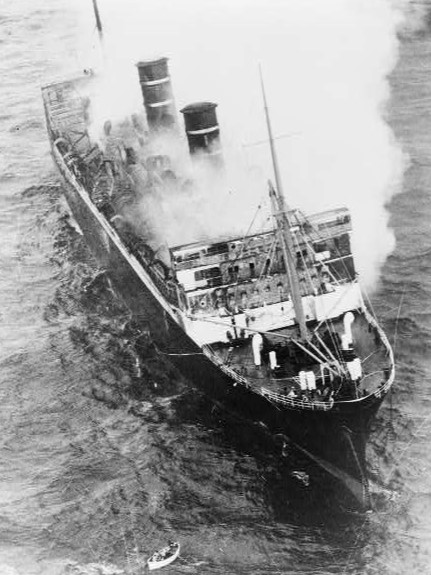
A perfectionist, Gibbs scrutinized every detail and missed nothing. One of his deepest concerns was fire safety, especially in the wake of the deadly Morro Castle disaster in 1934. His ships reflected his meticulous nature and were exceptionally well-designed.
At the same time, Gibbs harbored an even grander ambition: to design an American superliner rivaling European ships like Rex, Normandie, and Queen Mary. His work on Leviathan and later SS America laid the foundation for that ultimate achievement: the SS United States.
America’s Flagship
Construction and Early Service
Construction of the SS United States began on February 8, 1950, at Newport News Shipbuilding in Newport News, Virginia. Building costs were split, with United States Lines contributing $25 million and the US Navy $20 million. Additionally, the government spent another $25 million to incorporate “national defense features” into the liner’s design. Significant public funding went into building the “Big U.”

As tensions between the United States and the Soviet Union escalated in the early years of the Cold War, American military planners sought reliable assets that could serve both civilian and strategic purposes. Inspired by World War II troopships like Queen Mary and Queen Elizabeth, the designers built the United States to strict Navy standards, including extensive fireproofing, so she could quickly convert to carry 15,000 troops. Not only would she be one of the fastest liners in history with her state-of-the-art propulsion system, but also among the safest passenger ships ever built.
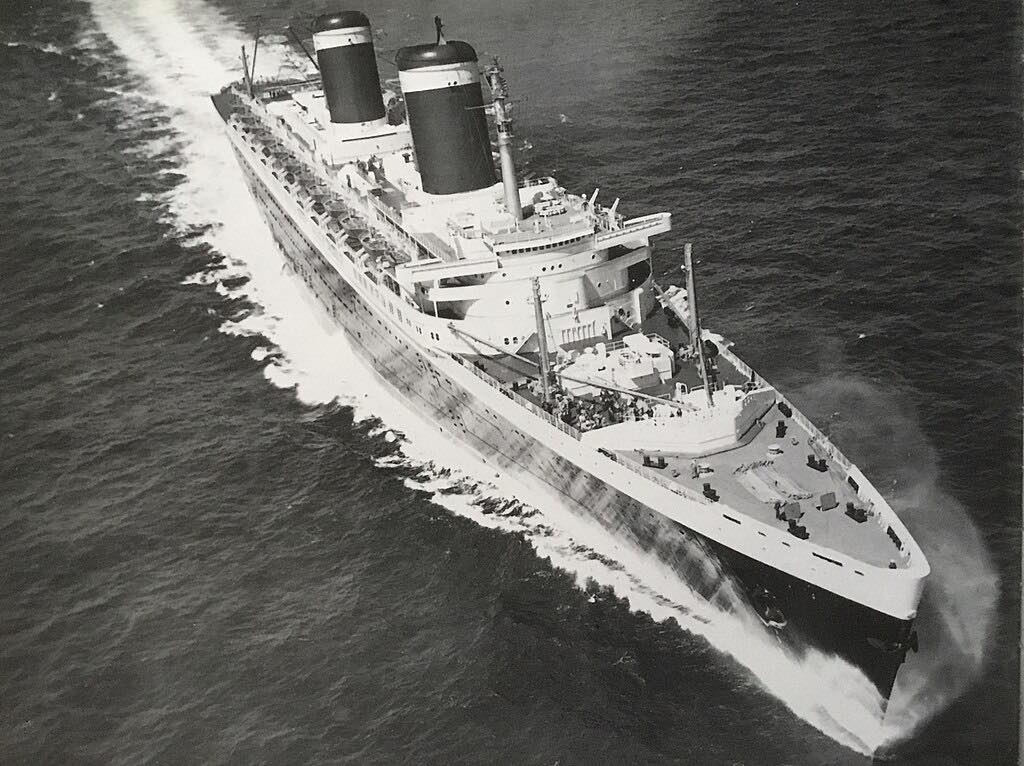
Launched on June 23, 1951, the SS United States set sail on her much-anticipated maiden voyage the following year and immediately made history. She sped across the Atlantic, shattering Queen Mary’s long-held speed record with an average of 36 knots (41 mph; 67 km/h). The eastbound crossing took just three days, 10 hours, and 40 minutes, and she also broke the westbound record on her return voyage. With both transatlantic speed records under her belt, the United States had earned her place as the fastest ocean liner ever built—a title she still holds today.
The New Queen of the Atantic
After her record-breaking maiden voyage, the United States settled into a routine of regular Atlantic crossings. She regularly sailed between New York, Le Havre, and Southampton, with occasional stops in Bremerhaven. The United States ran at a speed of 30-32 knots (35–37 mph; 56–59 km/h), allowing her to maintain reliable five-night transatlantic crossings. During the 1950s, she became one of the most sought-after ways to cross the Atlantic.
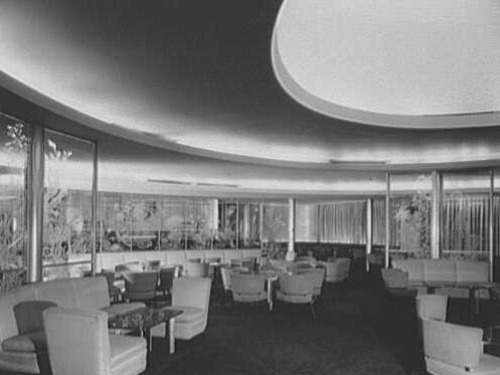
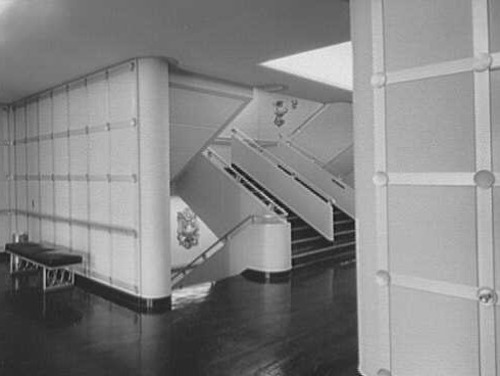
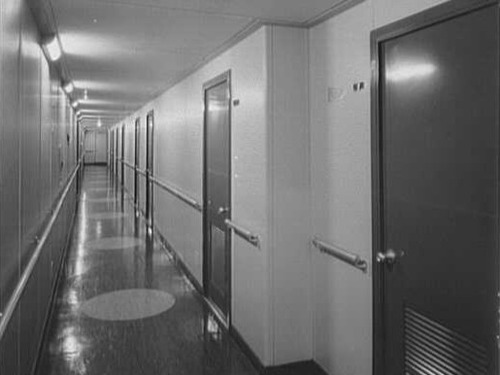
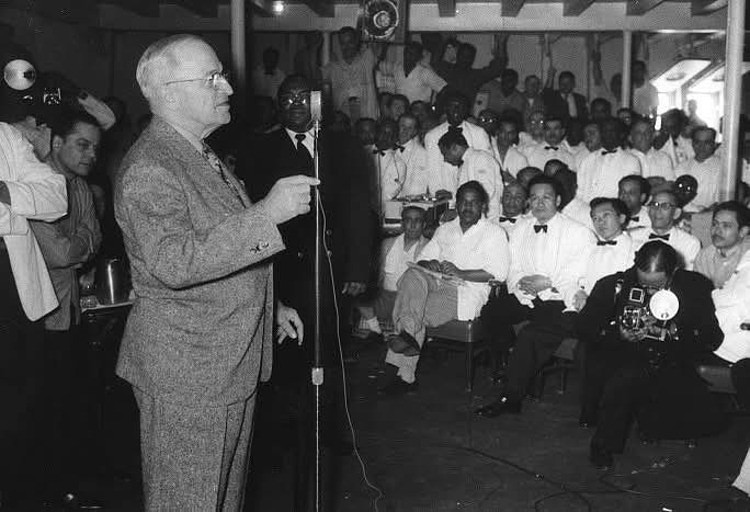
The “Big U” quickly developed a loyal following. Among her repeat passengers were celebrities like Marilyn Monroe, Duke Ellington, Judy Garland, Cary Grant, Salvador Dalí, and even the Duke and Duchess of Windsor. Former President Harry S. Truman and Future President John F. Kennedy also sailed on the ship. With unmatched speed, modern amenities, and a reputation as the most stylish way to cross the Atlantic, she became a floating symbol of postwar American glamour and innovation.
But this astounding success couldn’t last forever. A new era of transatlantic travel was fast approaching—one that would eventually make ocean liners like United States obsolete.
Decline
By the late 1950s, transatlantic air travel started overtaking ocean liners, drastically cutting crossing times. Although initially dismissed, the economic threat from airlines caused passenger numbers to steadily decline throughout the 1960s. Labor strikes further disrupted service, damaging the United States’ reliability and reputation.
In 1961, the U.S. government canceled its military transport contract with the ship’s owners, dealing a severe financial blow. An idea for a costly cruising refit was scrapped, and advertising efforts couldn’t revive interest. Still, the ship began Caribbean cruises in 1962, and visited ports like Nassau, Saint Thomas, Trinidad, Curaçao, and Cristobal.

Passenger numbers plummeted and financial losses mounted by the mid-1960s. A 1965 strike cost the ship thousands of passengers and millions in revenue. Although the United States briefly regained popularity with longer cruises in 1968, government subsidies were cut, and the new owners of United States Lines deemed ocean liners obsolete.
Rising operating costs, labor disputes, subsidy cuts, and dwindling passenger demand sealed her fate. On October 25, 1969, after her 400th voyage, the United States returned to Newport News for her annual overhaul. Weeks later, officials suddenly announced her complete withdrawal from service.
A Legend in Limbo
Virginia
After retirement, the SS United States sat idle in Newport News and then Norfolk. The US Navy had sealed up the ship, leaving her fixtures and furnishings completely intact. In 1976, Knut Kloster tried to purchase the old liner for his Norwegian Caribbean Line (now Norwegian Cruise Line), but was denied by the US Maritime Administration due to the ship’s classified design features. So Kloster walked away and purchased the French liner SS France, which was converted into a cruise ship and renamed the SS Norway. Perhaps realizing their error, the United States’ design was declassified the following year.
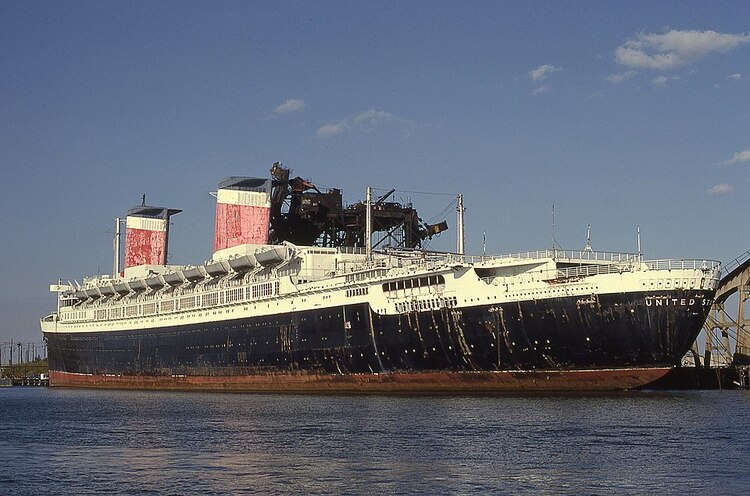
During the 1980s, there were plans to convert the ship into a hospital vessel, capitalizing on her size and speed. However, the project was deemed too expensive and impractical and was eventually abandoned. Under the ownership of Richard Hadley in the same decade, the ship fell into neglect. Many of her fittings and furniture were auctioned off in 1984, and by 1992, the ship was seized and put up for auction again.
Turkey
A turning point came in 1992 when Turkish businessman Kahraman Sadıkoğlu, a partner in Marmara Marine Inc., purchased the SS United States and towed her to Turkey for extensive refurbishment, including the removal of hazardous asbestos.
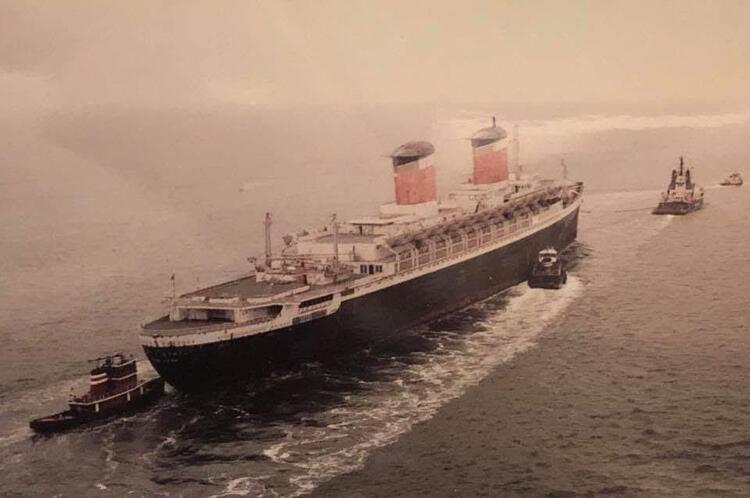
Upon reaching Istanbul, Greenpeace and the media protested the SS United States due to its asbestos-lined interior. They decided to remove the asbestos in Ukraine. In October 1993, the ship was towed to Sevastopol, where a 200-person team gutted the interiors and offloaded hundreds of tons of scrap material. The asbestos removal was finished by 1996.
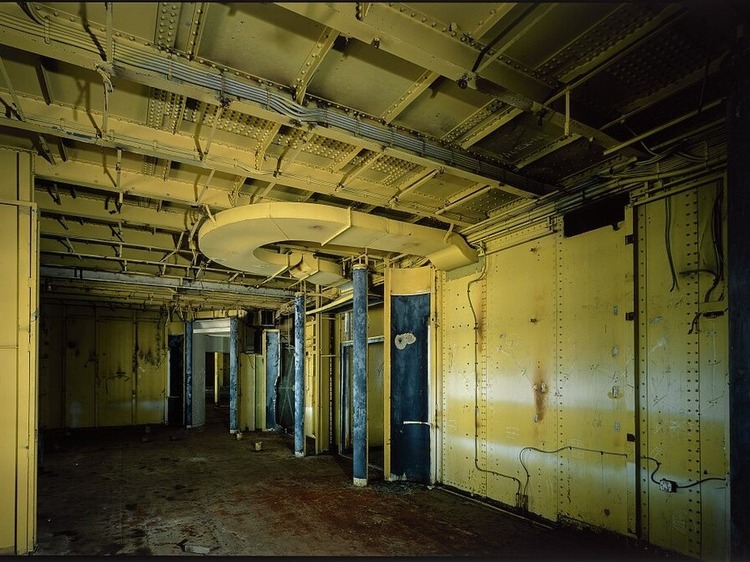
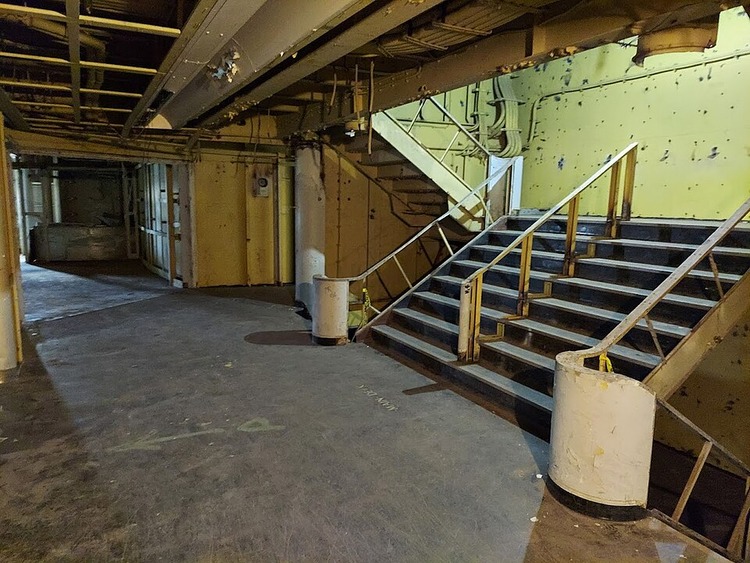
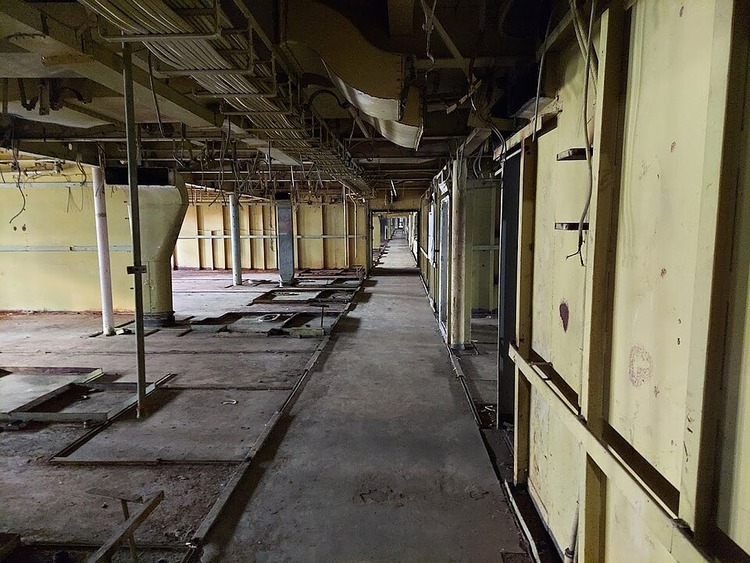
Afterward, they towed the ship back to Turkey, but mounting costs forced Marmara Marine Inc. to sell parts of the ship, like her lifeboats. By 1996, funding ran out, leading to the old liner’s seizure and return to the United States.
Philadelphia
The SS United States then found herself at Pier 82 in Philadelphia, Pennsylvania. In 1997, Edward Cantor bought the ship, and preservation groups successfully secured her place on the National Register of Historic Places.
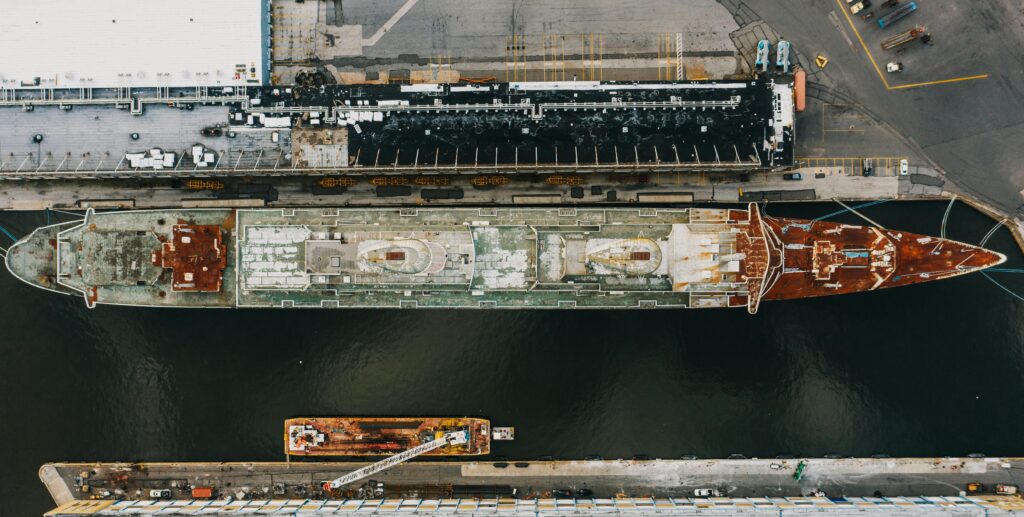
Norwegian Cruise Line acquired the ship in 2003 with hopes of restoring her to service, but these plans were abandoned by 2016 due to high costs and changes in the cruise market. Around the same time, the SS United States Conservancy was founded to save the ship. The group raised funds and explored various redevelopment possibilities, including converting the vessel into a hotel, museum, or cultural space.
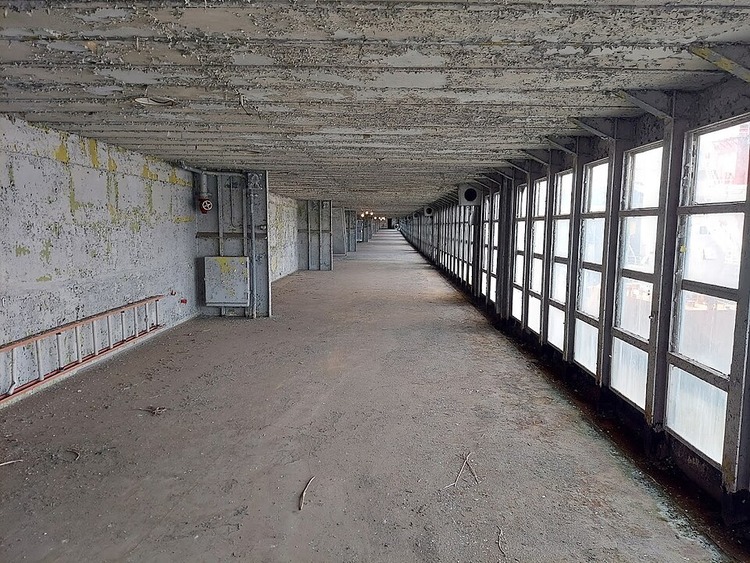
Several redevelopment proposals came forward, notably from Crystal Cruises and RXR Realty, with New York City emerging as the preferred location due to its infrastructure and historic ties to the ship. Meanwhile, in Philadelphia, the ship faced escalating rent and eviction threats starting in 2021. This sparked legal disputes between the Conservancy and the pier’s owners, Penn Warehousing & Distribution.
A federal judge ruled in 2024 that the SS United States must leave the pier within 90 days. The Conservancy scrambled to raise funds and find a new berth amid logistical challenges and the looming Atlantic hurricane season. Accusations surfaced that the pier owner was attempting to illegally sell the ship, leading to ongoing legal battles over its ownership and future.
The World’s Largest Artificial Reef?
On August 30, 2024, Florida’s Okaloosa County announced plans to purchase the SS United States and sink her as the world’s largest artificial reef off Destin-Fort Walton Beach. The county aims to boost tourism and diving revenue to fund the roughly $10 million project. The ship will first undergo extensive environmental remediation before being scuttled near Florida.

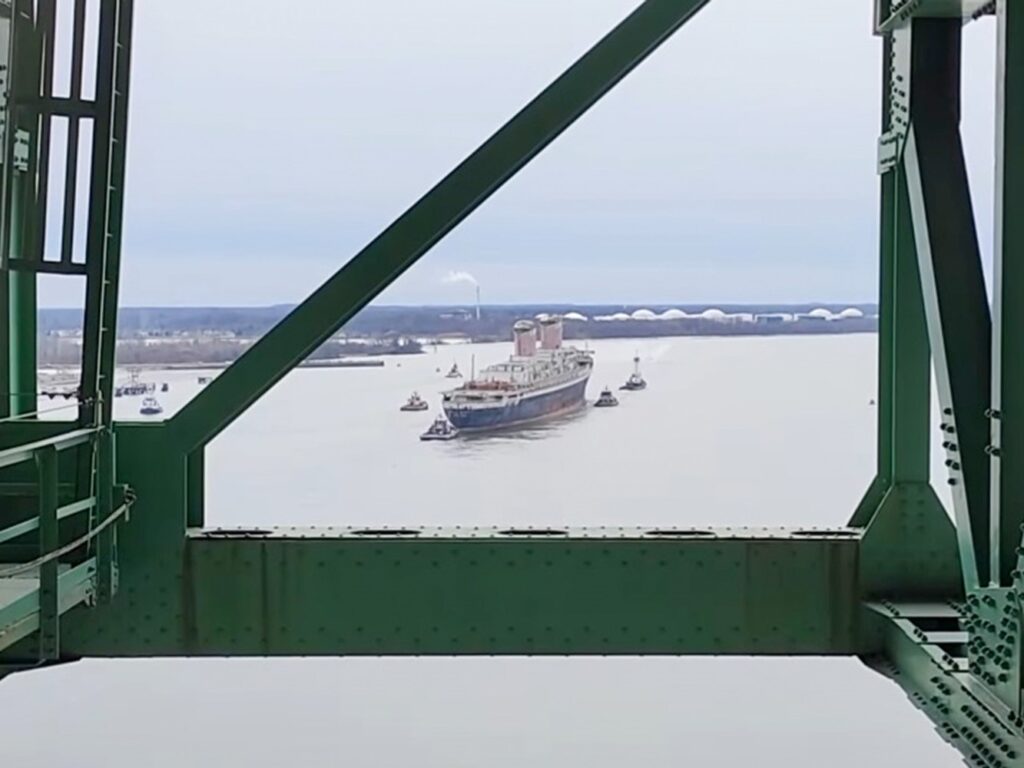
In early 2025, after several delays due to Coast Guard safety inspections and weather, the SS United States—after nearly 30 years—departed Philadelphia on February 19 and arrived in Mobile, Alabama, on March 3. Workers are removing hazardous materials and contaminants, opening up passages for marine life, and making structural modifications to ensure she settles upright when sunk.

Okaloosa County plans to sink the SS United States as an artificial reef by late 2025 or early 2026, about 20 nautical miles south of Destin-Fort Walton Beach. Officials have yet to reveal the exact site. Additionally, the SS United States Conservancy plans to open a museum and visitor center dedicated to America’s Flagship. Part of the ship’s forward superstructure, its radar mast, and at least one of the funnels will be preserved and put on display.
Adrift in Time
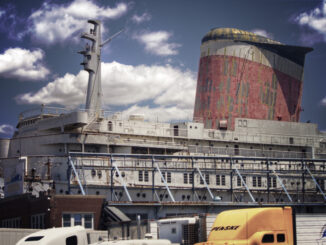
The SS United States has lingered in a sort of purgatory since 1969. That’s almost six decades. She only sailed for 17 years, despite being one of the most advanced ships of her day. Once one of the world’s most celebrated liners, she now sits neglected, waiting for a new lease on life. There have been several efforts to restore and revive the ship over the years, but they’ve all fallen short for one reason or another. And that’s a true shame—the “Big U” deserves better.
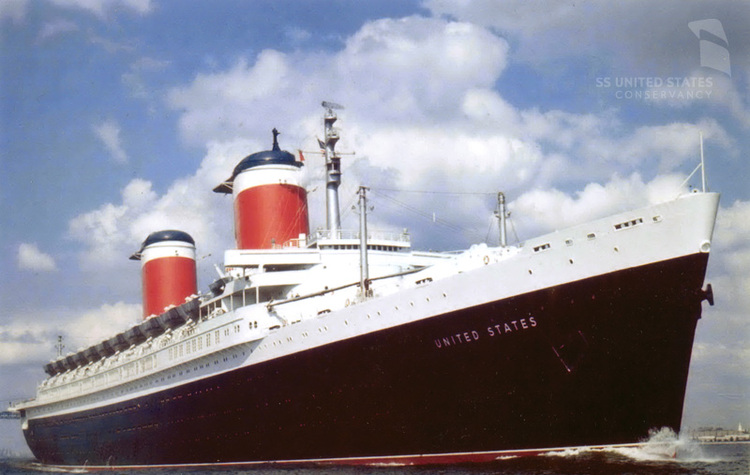
However, the SS United States’ long, uncertain post-service life doesn’t diminish her legacy at all. She fulfilled the dreams of her venerated designer and carried people across the world in modern luxury. The United States remains the fastest ocean liner ever built, and that’s an accomplishment worth celebrating.
Did you sail on the SS United States? If so, please share your experiences in the comments. I’d love to read about them!
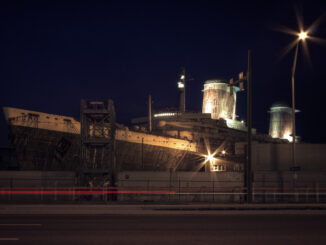
This isn’t the last chapter to save this historic vessel, there are people working on saving her right now. Check out nycsavessus.org for more details.
I sailed on the SS United States in 1968 as a seven year old boy, from Bremerhaven, West Germany to NYC. My father, who was a career US Air Force officer, was being reassigned from Ramstein AFB, back to the states. The Air Force gave him the option of traveling by ship. As a young child, the trans-Atlantic transit was magical, on so many levels — “eating out” for every meal, going to the on-board movie theater and swimming pool, and largely being able to explore the ship with my two older brothers! So many wonderful memories, to include sailing into NY Harbor on a misty morning, with my brothers and me all decked out in coat & ties, are indelibly etched in my mind!